


Advertisement intended for health care professionals

l

Metamizole-induced agranulocytosis resulting in ecthyma gangrenosum after an AI chatbot query

Metamizole-induced agranulocytosis resulting in ecthyma gangrenosum after an AI chatbot query
#00066423
Author: Irene Tjaakje Schrijver; Yorick Sandberg
Category: Myeloid Neoplasms and acute leukemia (WHO 2016) > Myelodysplastic/myeloproliferative neoplasms (MDS/MPN)
Published Date: 04/02/2026

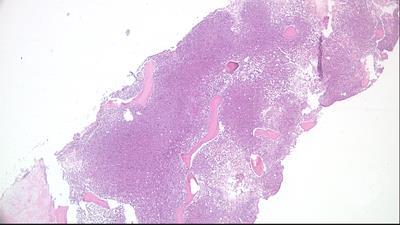
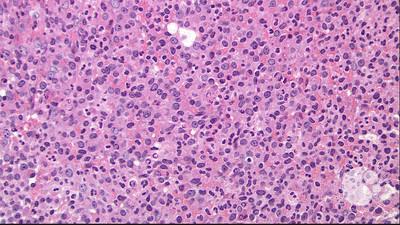
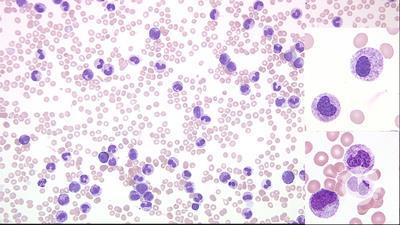
A 37-year-old woman presented at the emergency department with an infection of the right hand and multiple necrotic ulcers, after microdamage occurred during a manicure service (panel A). This prompted surgical exploration, and she was administered piperacillin-tazobactam IV. Within days, wound and blood cultures grew Pseudomonas aeruginosa. The infection cleared, but unfortunately surgical debridement and amputation of the fifth digit were inevitable. Peripheral blood showed severe agranulocytosis (granulocyte count: 0.04 × 10⁹/L) and incidental blasts (panel B; May-Grünwald-Giemsa [MGG] stain; original magnification ×100). Bone marrow examination demonstrated increased cellularity, left shift, and increased leukopoiesis without maturation past the promyelocyte stage. There were 8% blasts and a decrease in erythropoiesis (panel C; MGG stain; original magnification ×100). After retaking her medical history, we found that she used metamizole daily for 2 months for a lumbar hernia. Thus, she was diagnosed with metamizole-induced agranulocytosis. The metamizole was purchased over the counter during holidays abroad (metamizole is not available over the counter in the Netherlands) after the patient consulted a generative artificial intelligence (AI) chatbot. The query was for the “strongest painkiller, without a prescription, for neuralgic pain.” The chatbot suggested metamizole, describing it as a strong painkiller for neuralgia. It did warn of rare side effects but did not state specifics.

With the increased popularity of AI, patients will start using AI large language models (LLMs) to replace medical consultation. This case displays the risk of self-medication using unverified online tools. It is recommendable that clinicians ask patients about their use of LLMs and educate them accordingly.

For additional images, visit the ASH Image Bank, a reference and teaching tool that is continually updated with new atlas and case study images. For more information, visit https://imagebank.hematology.org.

Advertisement intended for health care professionals