

l

Transient aberrant plasma cells in a young patient with chronic inflammatory disease
#00066449
Author: Haluk Kavus; Habibe Kurt
Category: Myeloid Neoplasms and acute leukemia (WHO 2016) > Myelodysplastic/myeloproliferative neoplasms (MDS/MPN)
Published Date: 04/16/2026
Category: Myeloid Neoplasms and acute leukemia (WHO 2016) > Myelodysplastic/myeloproliferative neoplasms (MDS/MPN)
Published Date: 04/16/2026
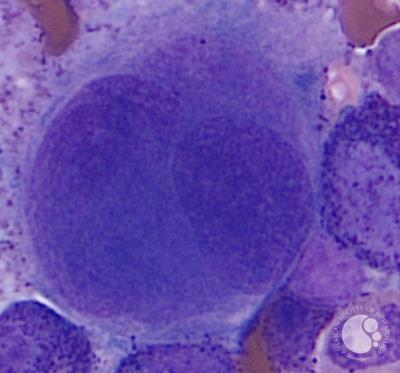
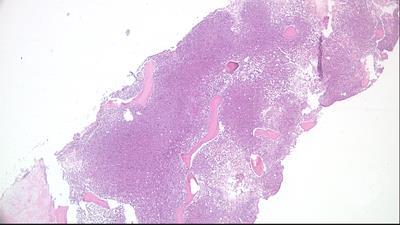
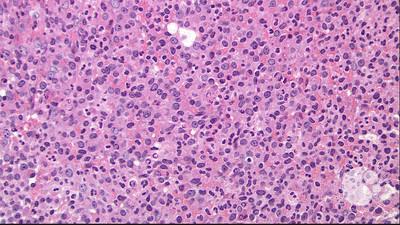
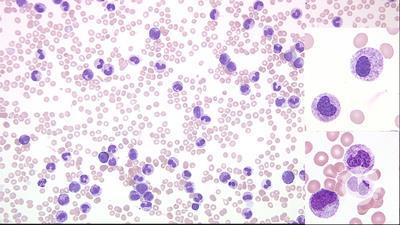
A 20-year-old Asian woman with a history of asthma and atopic dermatitis presented 3 years ago with necrotizing and nonnecrotizing lung nodules and had been treated with corticosteroids for a suspected diagnosis of eosinophilic granulomatosis with polyangiitis. She was evaluated for consideration of benralizumab. A complete blood count (CBC) with differential was performed, which revealed normal CBC values but with circulating plasmacytoid cells and plasma cells comprising 6% of white blood cells (0.5 × 10⁹/L) (panels A-B, Wright-Giemsa stain, original magnification ×1000). Flow cytometry identified normal B- and T-cell populations, along with polytypic plasma cells (0.4% of total events) exhibiting the following immunophenotype (panels C-H): CD138+, CD38+, CD45(dim)+, CD19−, CD81+, CD27−, CD56+, and CD117−. Benralizumab therapy was initiated after the first CBC. No further workup for a plasma cell neoplasm was performed. Given the unusual immunophenotype, repeat CBC and flow cytometry one month later were normal, confirming the transient nature of the plasma cells.
Neoplastic plasma cells typically demonstrate aberrant antigen expression, including loss of CD19, CD27, CD81, or aberrant expression of CD56 and CD117. However, reactive plasma cells with similar immunophenotypic features in patients with autoimmune or chronic inflammatory diseases have been described. The transient nature of the plasma cells in this young patient supports a reactive process rather than an underlying plasma cell neoplasm.
For additional images, visit the ASH Image Bank, a reference and teaching tool that is continually updated with new atlas and case study images. For more information, visit


Related Images: