

l

Thymoma-associated aplastic anemia with concurrent Good syndrome
#00066505
Author: Hallie Holland; Aaron Boothby
Category: Myeloid Neoplasms and acute leukemia (WHO 2016) > Myelodysplastic/myeloproliferative neoplasms (MDS/MPN)
Published Date: 05/21/2026
Category: Myeloid Neoplasms and acute leukemia (WHO 2016) > Myelodysplastic/myeloproliferative neoplasms (MDS/MPN)
Published Date: 05/21/2026
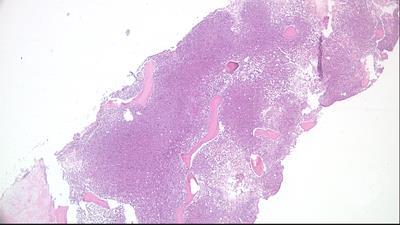
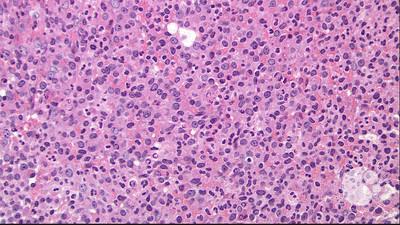
A 44-year-old man presented with dyspnea, dry cough, ecchymoses, and a 10-kg weight loss. He was pancytopenic (white blood cell count, 2.03 × 10⁹/L; hemoglobin, 6.5 g/dL; platelet count, 13 × 109/L). Bone marrow showed near-complete aplasia with scattered lymphocytes, macrophages, and stromal cells (panel A, original magnification ×400, hematoxylin and eosin [H&E] stain). Computed tomography showed an anterior mediastinal mass consistent with thymoma (panel B). Pathologic evaluation after thymectomy confirmed thymoma (mixed type A/B; panel C, original magnification ×200, H&E stain). Evaluation for viral infections, autoimmune disease, paroxysmal nocturnal hemoglobinuria, and inherited marrow failure was negative. Lymphocyte subsets showed B-cell lymphopenia (CD19+ lymphocyte count below linear range), hypogammaglobulinemia (immunoglobulin A [IgA], 24 mg/dL; IgG, 374 mg/dL; and IgM, 12 mg/dL), and impaired T-cell proliferation (mitogen stimulation). The patient was diagnosed with aplastic anemia and Good syndrome (an acquired immunodeficiency characterized by thymoma and combined B- and T-cell dysfunction).
Thymoma is commonly associated with pure red cell aplasia; this case highlights its less recognized association with aplastic anemia and underscores the need for immune evaluation. The patient was treated with an allogeneic hematopoietic stem cell transplant using a 10/10 HLA-matched sibling donor, after conditioning with cyclophosphamide/antithymocyte globulin, and graft-versus-host disease prophylaxis with cyclosporine and methotrexate. As of this writing, he is at day 100 and has achieved donor engraftment with full donor chimerism.
For additional images, visit the ASH Image Bank, a reference and teaching tool that is continually updated with new atlas and case study images. For more information, visit


Related Images: