

l

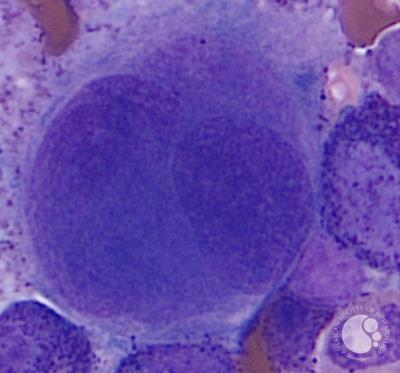
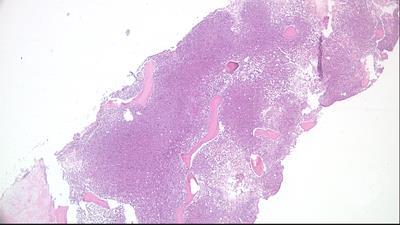
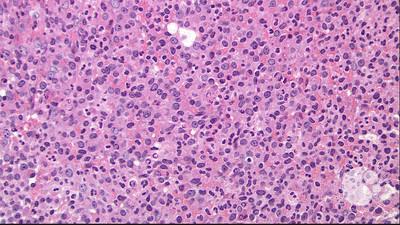
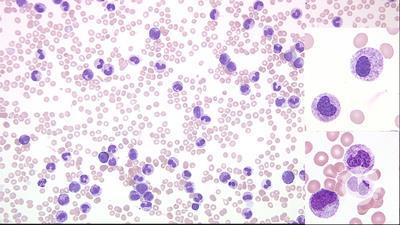
Multinucleated plasma cells and IgG λ myeloma in a patient with TEMPI syndrome and renal cell carcinoma
#00066559
Author: Adam Lyle; Peng Li
Category: Myeloid Neoplasms and acute leukemia (WHO 2016) > Myelodysplastic/myeloproliferative neoplasms (MDS/MPN)
Published Date: 06/22/2026
Category: Myeloid Neoplasms and acute leukemia (WHO 2016) > Myelodysplastic/myeloproliferative neoplasms (MDS/MPN)
Published Date: 06/22/2026
A 60-year-old man with a history of cerebrovascular accident, recurrent deep vein thrombosis and pulmonary embolism, and renal cell carcinoma (RCC) was evaluated for long-standing and unexplained erythrocytosis (panel Ai). He had a markedly elevated serum erythropoietin (EPO, panel Aii), initially attributed to RCC although it persisted postnephrectomy (panel A, black triangles). Tests for polycythemia vera and hereditary erythrocytosis mutations were negative (
Diagnosis of TEMPI syndrome was made more challenging by a recent RCC therapy. We observed frequent, enlarged multinucleated plasma cells in a normocellular marrow, likely reflecting the lingering effect of mildly elevated EPO in the setting of positive measurable residual disease.
For additional images, visit the ASH Image Bank, a reference and teaching tool that is continually updated with new atlas and case study images. For more information, visit


Related Images: